

Veterans
In-Person and Online Sessions.
Helping veterans regain balance, strengthen connections, and move forward with confidence.
What Military Service Can Leave Behind
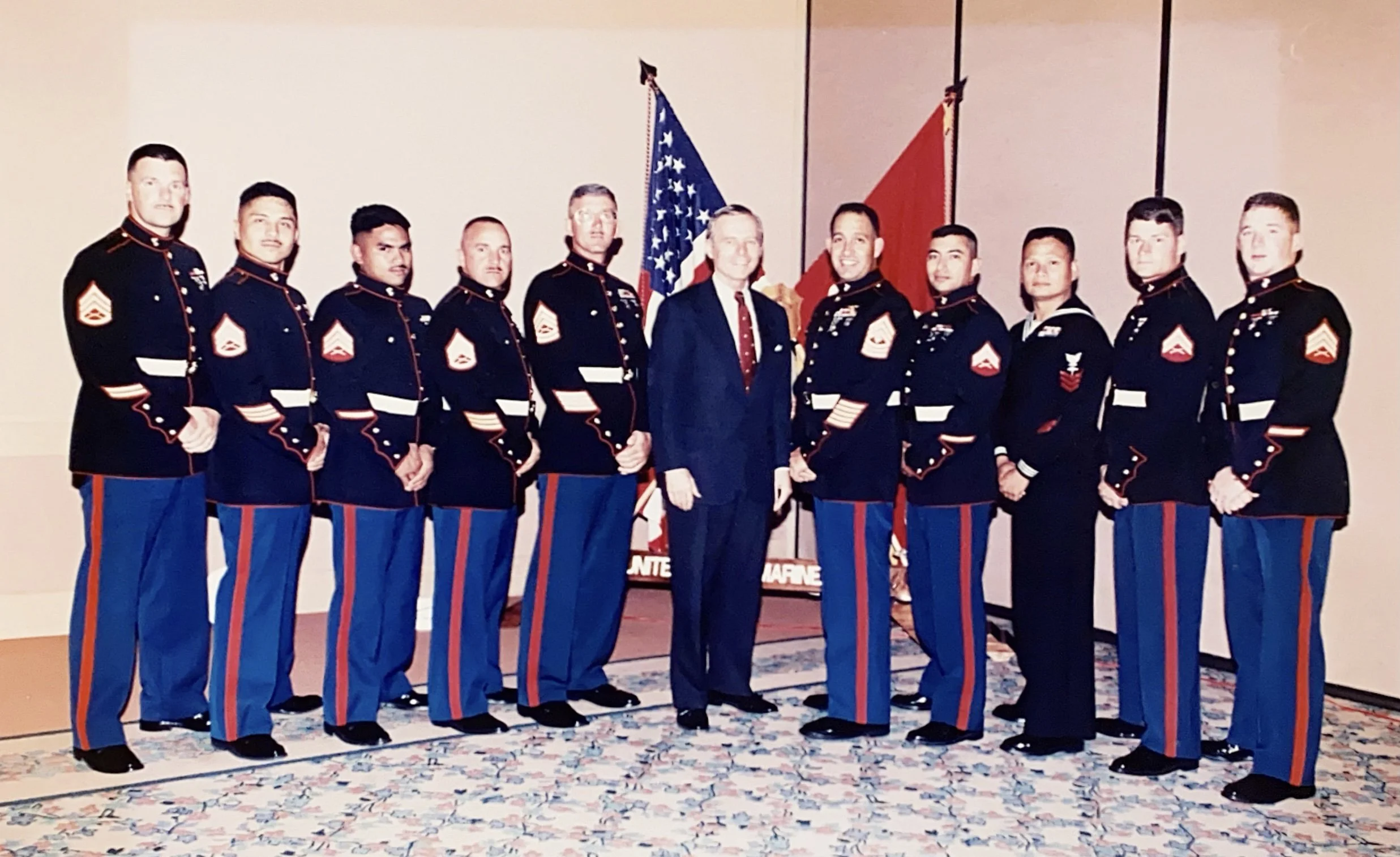
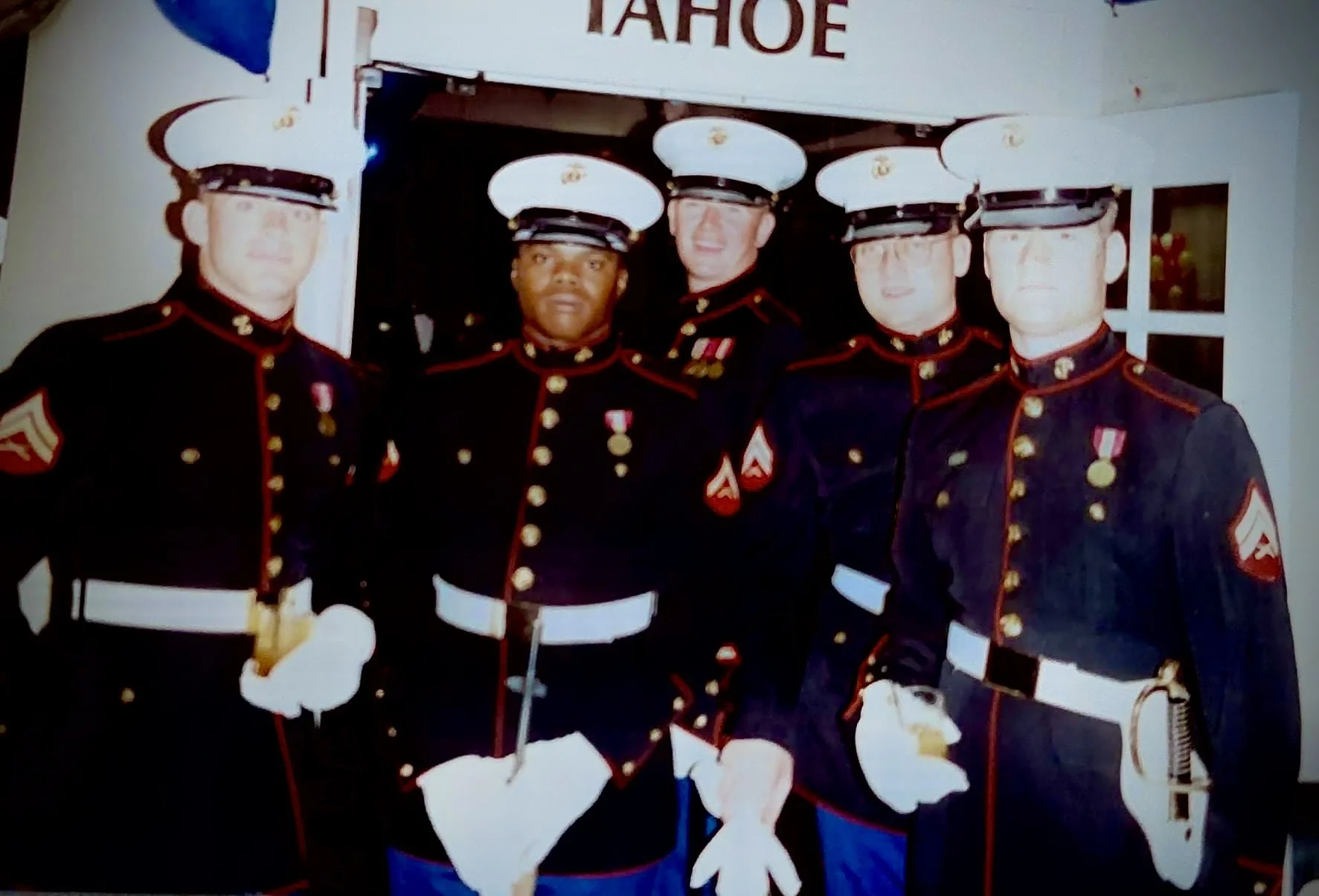
As a therapist and a veteran, I understand how military service can shape the mind and nervous system long after active duty ends. The demands of service—exposure to danger, loss, responsibility, and repeated stress—can leave lasting effects that many veterans continue to carry into civilian life.
Veterans may experience challenges such as PTSI/PTSD, anxiety, depression, or difficulties with sleep, mood, and emotional regulation. Intrusive memories, hypervigilance, irritability, or emotional numbness are common responses to intense and prolonged experiences, not signs of weakness. These symptoms can affect daily functioning, relationships, and overall quality of life if left unaddressed.
A Path Forward Is Possible
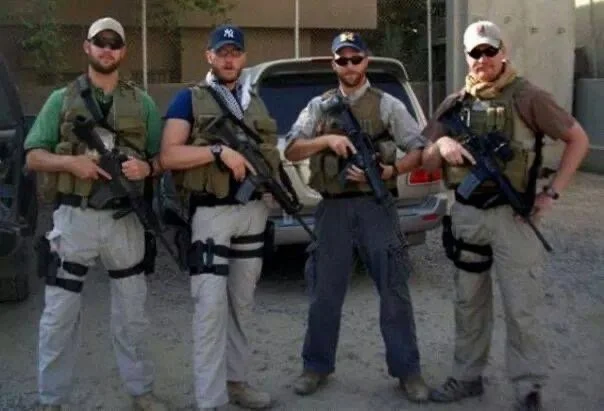
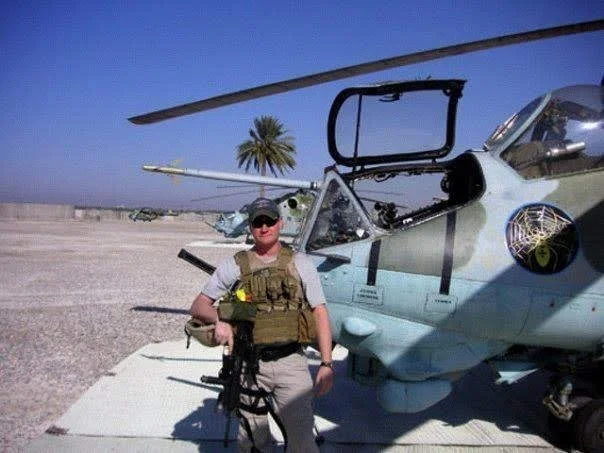
As a therapist and a veteran, I understand how the experiences of military service—particularly combat exposure—can continue to affect life long after returning home. The transition from military to civilian life often brings challenges that are difficult to anticipate, including changes in identity, relationships, emotional regulation, and sense of purpose.
Therapy provides veterans with a private, structured space to process service-related experiences, address lingering trauma, and develop effective coping strategies for life after service. Many veterans carry the weight of their experiences internally, often without a clear outlet to fully understand or express what they have been through. Therapy allows space to examine these experiences at a pace that feels safe and controlled, supporting clarity, stability, and growth.
Veterans may experience concerns such as PTSI/PTSD, anxiety, depression, sleep disturbance, or substance use. These responses are common outcomes of high-stress and high-responsibility environments—not personal failings. Seeking therapy is not a sign of weakness, but a proactive step toward improving mental health, relationships, and overall quality of life.
As someone who has served and experienced combat, I bring both clinical training and firsthand understanding of the realities of military life and reintegration. My approach is respectful, direct, and nonjudgmental, with a focus on helping veterans regain control, build resilience, and move forward with greater stability and purpose.