


Trauma Therapy in Roseville
Online Throughout California
Trauma-Informed Care to Restore Safety, Stability, and Control
Trauma can affect how you think, feel, and respond to the world long after the event itself has passed. You may feel constantly on edge, emotionally shut down, overwhelmed, or disconnected from yourself and others. Many people seek trauma therapy in Roseville when their nervous system feels stuck in survival mode and daily life becomes harder to manage.
Trauma therapy offers structured, professional support to help your system regain a sense of safety, regulation, and control.
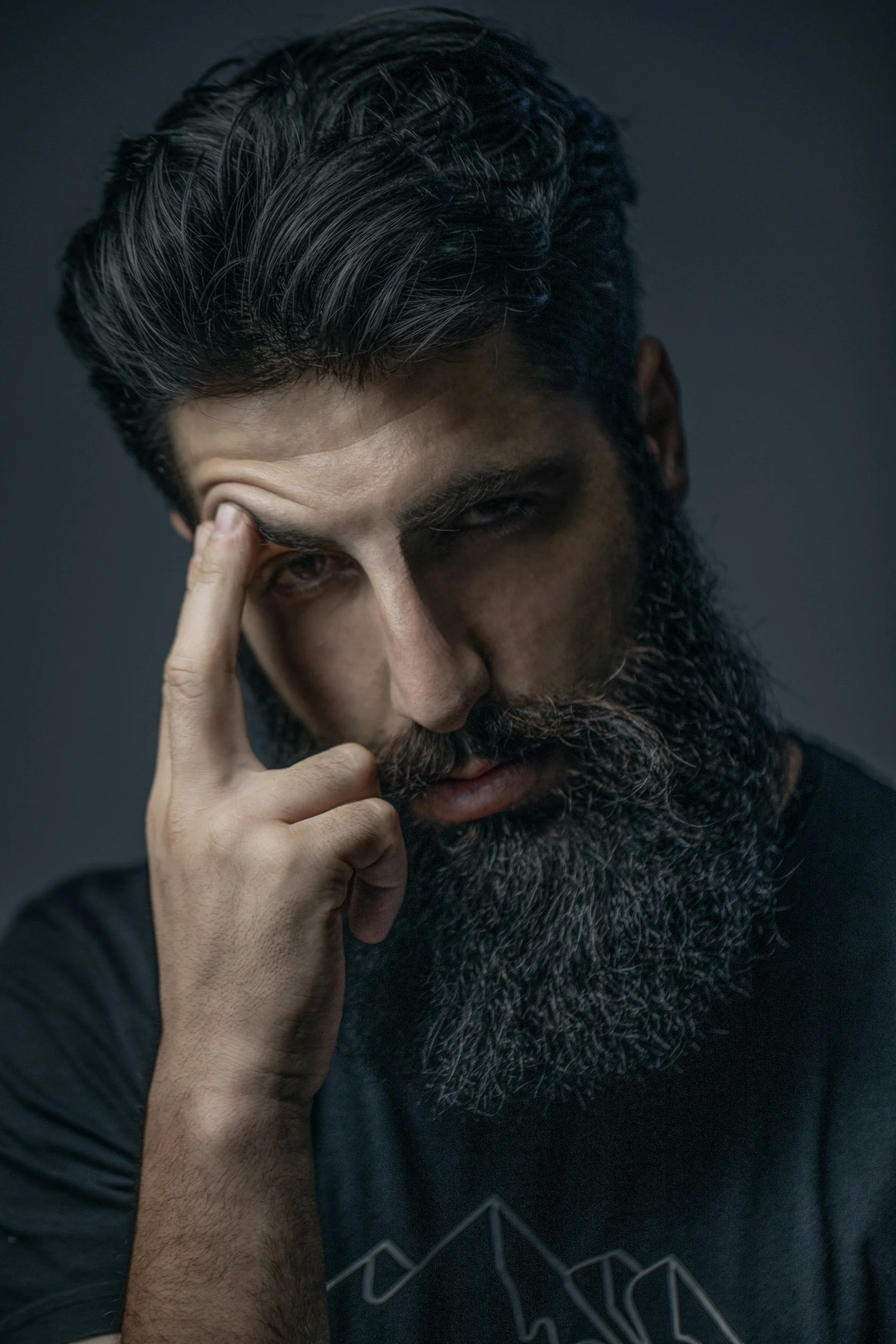
Common Signs Trauma May Be Affecting You
Trauma does not only result from a single event. It can develop from repeated stress, exposure, loss, or overwhelming experiences. You may benefit from trauma therapy if you experience:
Hypervigilance or feeling constantly on edge
Emotional numbness, shutdown, or detachment
Intrusive memories or unwanted reminders
Irritability, anger, or mood swings
Sleep disturbance or chronic exhaustion
Difficulty feeling safe, connected, or present
If these symptoms persist, trauma therapy can help interrupt survival patterns and restore balance.

How Trauma Therapy Helps
Trauma impacts the nervous system, not just thoughts or memories. Effective trauma therapy in Roseville focuses on restoring regulation and resilience rather than forcing retelling or re-exposure.
Therapy focuses on helping you:
Reduce hyperarousal and emotional shutdown
Improve nervous-system regulation and stability
Process traumatic stress at a safe, manageable pace
Increase emotional tolerance and grounding
Rebuild trust, confidence, and daily functioning
Treatment is paced carefully to avoid overwhelm and support long-term healing.

Trauma-Informed, Practical Approach
Trauma therapy is structured, collaborative, and grounded in nervous-system awareness. Sessions focus on safety first, followed by skill-building and gradual processing when appropriate.
Trauma therapy may include:
Nervous-system and somatic regulation strategies
Trauma-informed processing techniques
Identifying and interrupting trauma-driven patterns
Skills to reduce reactivity and increase emotional control
Clear goals with ongoing review of progress
The approach is respectful, contained, and designed to support real-world functioning—not retraumatization.

Who Trauma Therapy Is For
Trauma therapy may be a good fit if you:
Feel stuck in survival mode
Have difficulty relaxing or feeling safe
Experience emotional numbness or reactivity
Have a history of trauma, high-stress work, or repeated exposure
Want structured, practical support rather than open-ended talk
You do not need to revisit every detail of your past to benefit from trauma-informed therapy.

What to Expect in Sessions
Trauma therapy sessions are professional, confidential, and intentionally paced. You can expect:
Clear structure and therapeutic direction
Emphasis on emotional and nervous-system safety
Collaborative goal-setting
Consistent progress toward stability and resilience
Frequently Asked Questions
How do I know if trauma therapy is right for me?
If past experiences continue to affect your emotions, reactions, sleep, or sense of safety, trauma therapy may be helpful—even if the events occurred years ago.
Do I need to talk in detail about my trauma?
No. Trauma therapy does not require detailed retelling. Sessions focus on regulation, safety, and processing at a pace that feels manageable.
How long does trauma therapy take?
The length of therapy varies based on individual history, goals, and current stressors. Progress is reviewed regularly and adjusted as needed.
Is trauma therapy available via telehealth in California?
Yes. Trauma therapy is available through secure telehealth to clients located anywhere in California, including Roseville.
Schedule Trauma Therapy in Roseville
If trauma is impacting your quality of life, support is available. Trauma therapy in Roseville, CA can help you regain stability, emotional control, and a stronger sense of safety.
Schedule a consultation to determine whether this approach is the right fit.